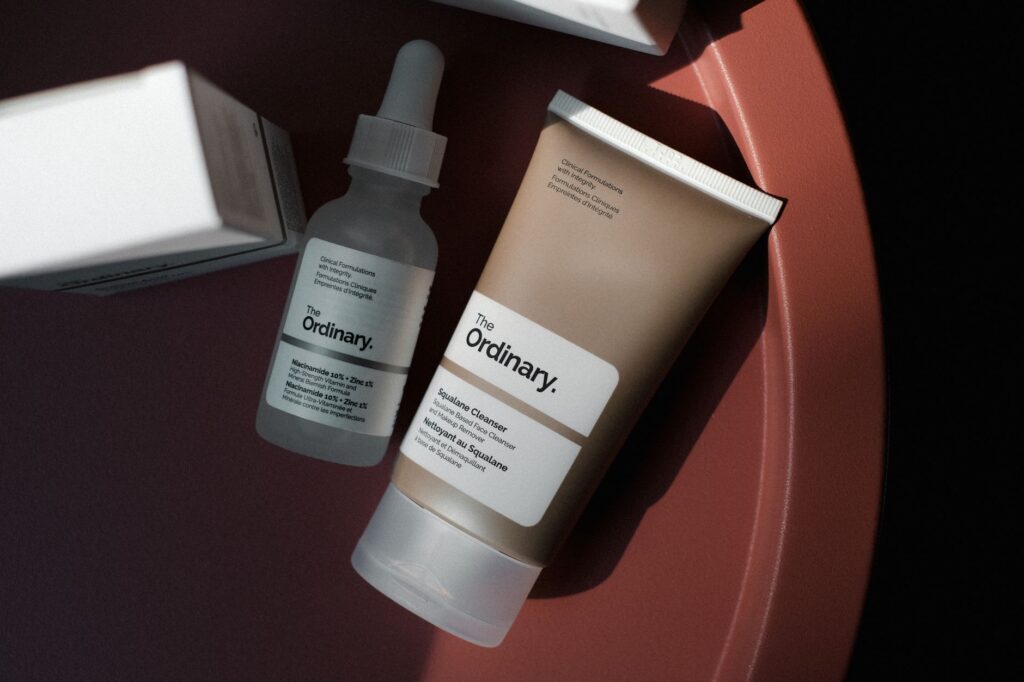
Sensitive skin is not a single condition — it can mean reactive rosacea-prone skin, a compromised barrier from over-exfoliation, eczema, contact dermatitis, or simply skin that stings at the mention of fragrance. What ties these cases together is a low tolerance for surprises, which is exactly why ingredient transparency matters more in this category than almost anywhere else in beauty. A growing number of direct-to-consumer skincare brands have built their entire business around that promise: shorter ingredient decks, dermatologist involvement, and enough information on the product page that a customer doesn’t have to guess what they’re putting on inflamed skin.

Because these companies sell primarily through their own websites rather than department store counters, they can also iterate faster, publish fuller ingredient explanations, and build subscription models that reduce the friction of restocking a product that actually works. Here’s how some of the more established names in the space compare.

What “Formulated for Sensitive Skin” Actually Means
The phrase isn’t regulated, so it pays to look past the label. The brands worth taking seriously tend to share a few habits: they publish full ingredient lists rather than marketing shorthand, they avoid common irritants like denatured alcohol and synthetic fragrance unless clearly disclosed, and they either employ dermatologists directly or work with them on formulation review. Patch-testing guidance, clear instructions on introducing actives slowly, and responsive customer support for reactions are also good signals that a company is actually built around sensitive skin rather than just marketing to it.
Custom-Formulation and Teledermatology Models
Curology
Curology, based in San Diego, was one of the earlier direct-to-consumer skincare brands to combine an online dermatology consultation with a compounded, custom formula shipped monthly. After a photo-based skin assessment, a licensed provider prescribes a personalized cream that can include ingredients such as tretinoin, azelaic acid, or niacinamide, mixed by Curology’s own pharmacists at a concentration meant to suit the customer’s tolerance. For sensitive skin specifically, the appeal is the ability to start at a lower strength and titrate up, with a provider available to adjust the formula if irritation shows up. The subscription model means refills arrive automatically, though customers can pause or cancel through their account.
Apostrophe
Apostrophe follows a similar telehealth structure, connecting customers with a dermatology provider online and compounding personalized topical treatments. It leans more heavily into treating specific concerns like rosacea and acne alongside general sensitivity, and like Curology, the ingredient list on any given bottle depends entirely on the individual prescription rather than a fixed formula.
Minimal-Ingredient and Barrier-Focused Brands
Fig.1
Fig.1 is a Canadian skincare company built around the idea that fewer, better-chosen ingredients reduce the odds of a reaction. Its formulations were developed with dermatologist Dr. Sandy Skotnicki, whose clinical background is in contact dermatitis, and the brand publishes short ingredient decks for each product with an explanation of what every ingredient is doing there. The catalog is deliberately small rather than an endless rotation of new launches, which suits customers who want a routine they can trust rather than one they need to research every season.
Dieux Skin
Dieux Skin was founded by Charlotte Palermino and Joyce Park, both of whom come from content and formulation backgrounds rather than traditional beauty marketing, and the brand’s public communication reflects that: it regularly explains the science (and the marketing myths) behind its own products. Dieux focuses on barrier repair and gentle actives, with products like its Deliverance gel eye mask and Instant Angel serum built around calming and hydrating ingredients rather than aggressive exfoliants. The brand sells directly through its own site and is explicit about sourcing and formulation choices in a way that’s unusually candid for the category.
Necessaire
Necessaire started as a direct-to-consumer body-care brand before expanding into face products, with founder Randi Christiansen positioning it around dermatologist-vetted, fragrance-optional formulas and clearly listed active ingredients. It has since expanded into retail partners like Sephora and Nordstrom, but its site still functions as the fullest source of ingredient rationale and usage guidance, including fragrance-free versions of core products for customers who react to essential oils and synthetic scent blends.
Budget-Conscious Options
Good Molecules
Good Molecules, part of e.l.f. Beauty’s portfolio of brands, applies a similar logic to The Ordinary’s single-ingredient-focused approach but at a lower price point. Products are sold direct through its own site as well as at Ulta, and the ingredient lists are kept short and legible, which makes it easier for someone with sensitive skin to isolate what caused a reaction if one occurs. The tradeoff for the low price is a less curated shopping experience — customers need to do more of their own research into which actives suit their skin, since the brand doesn’t offer consultations or custom formulation.
Versed
Versed launched as a direct-to-consumer clean skincare brand with an explicit sensitivity angle, avoiding a list of ingredients it calls out on every product page. It has since expanded into retail distribution through Target, but its online store remains the place with the fullest product education, including guidance on introducing retinol alternatives gradually for reactive skin types.
Ingredient Transparency and Pricing at a Glance
- Curology and Apostrophe: custom-compounded, prescription-informed, ongoing subscription with provider check-ins; pricing depends on the formula and consultation involved rather than a flat catalog price.
- Fig.1: fixed formulations with dermatologist input, small catalog, premium positioning relative to mass-market alternatives.
- Dieux Skin: fixed formulations with detailed public explanations of ingredient choices, mid-to-premium pricing, direct sales through its own site.
- Necessaire: fragrance-optional lines with clearly listed actives, available direct and through select retailers, mid-range pricing.
- Good Molecules and Versed: lower price points, shorter ingredient lists, less individualized guidance than the telehealth models.
What to Check Before Subscribing
Subscription skincare only pays off if the product keeps working for you, so it’s worth checking a few things before committing: how easily a plan can be paused or canceled, whether the brand offers a smaller trial size before a full subscription, and whether customer support includes any dermatological guidance if a reaction happens. For custom-formula brands like Curology, ask what happens if the initial formula doesn’t agree with your skin — most allow adjustments, but the process and turnaround time vary. For fixed-formula brands, cross-check the ingredient list against known personal triggers before the first order ships, since return policies for opened skincare are often limited.
Conclusion
There is no single best direct-to-consumer skincare brand for sensitive skin — the right choice depends on whether you want a dermatologist-guided custom formula, a minimal fixed routine with full ingredient disclosure, or an affordable way to experiment with single actives. What the brands covered here have in common is a level of ingredient transparency and formulation care that’s harder to find on a crowded drugstore shelf, which is precisely the gap the direct-to-consumer model was built to fill.